





Maintaining decent air quality in your home requires cleaning your air conditioner. It is important to clean the filters inside air conditioners regularly to clog up and collect moisture and even mold.
Keep your air conditioning wall units in tip-top shape by extending their life. Make sure it is cleaned properly. Therefore, we’ll discuss why you should clean your mini-split air conditioner, what steps you must take to clean it properly, and when you should clean it.
1. Gather Your Tools
Before commencing the cleaning process, gather the tools you will need. To start, make sure to grab a hygienic vacuum, a soft brush, soap, an AC fin comb, an antifungal cleaning spray, and a full spray bottle before opening up your ac unit. You can also use rubber gloves, a face mask, and flashlights or headlamps to assist with the task of mini-split cleaning!
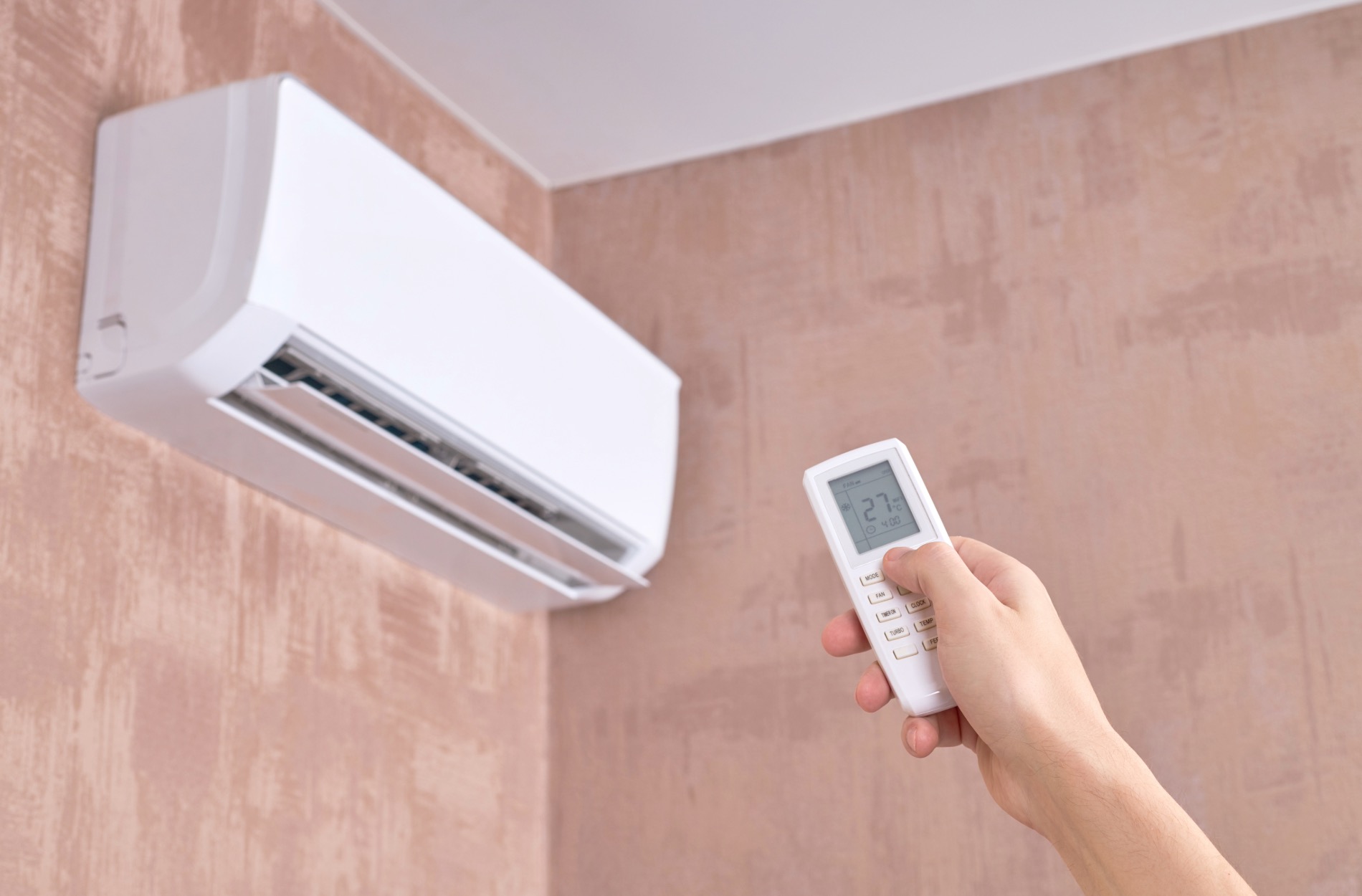
2. Don't Forget to Turn off Your Unit
Ensure all power sources are disconnected from your AC unit to ensure safety. The unit can also be isolated by turning off the electricity to the room needing cleaning via a circuit breaker on the circuit panel. Make sure to unplug the unit carefully.
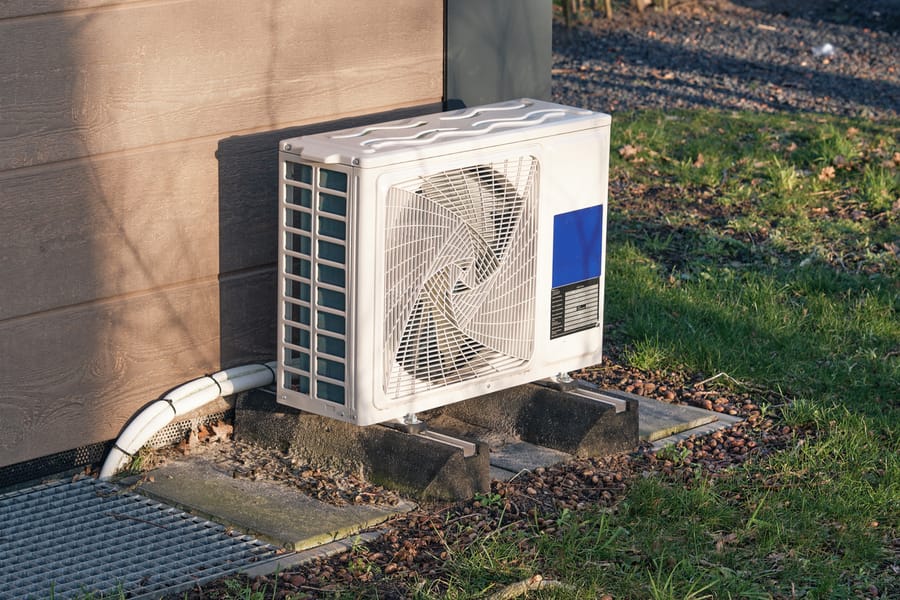
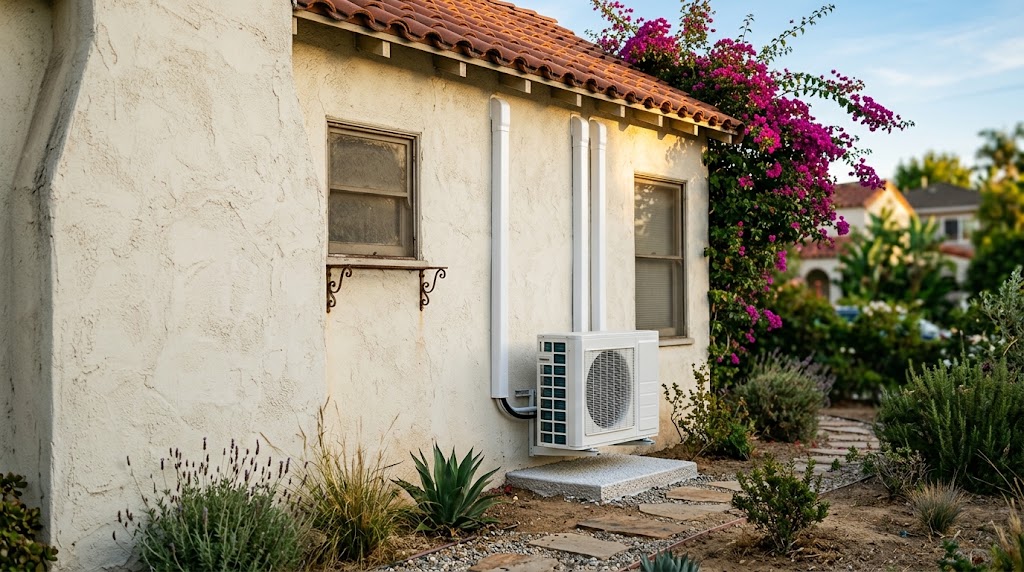
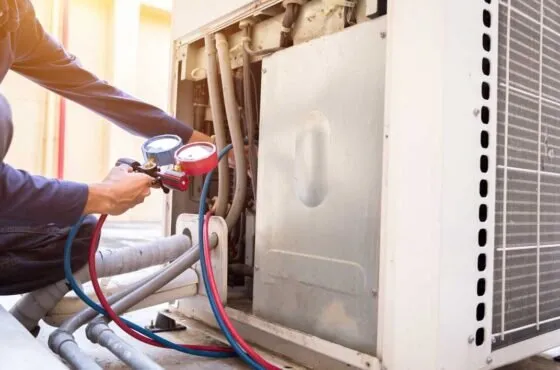
3. Clean Your AC's Outdoor Unit
You may want to look at the area around the part of the unit that is outside your house. The area near the unit should be free of grass, leaves, and trash.
- Wipe the cabinet’s exterior with a damp cloth. Clean any hard-to-clean dirt and dust with a cleaning solution such as soapy water.
- Once you’ve found the fan blades, open up the unit. Wipe the blades gently with a damp cloth.
- Let dry and set aside.
- If your fins are bent, you can straighten them with a fin comb. Using this brush, you can clean the fins precisely because it has soft bristles.
- Then it would be best if you gently vacuumed the remainder of the interior of your unit to remove any dust or dirt that has settled there.
- Last but not least, carefully reassemble the unit afterwards.
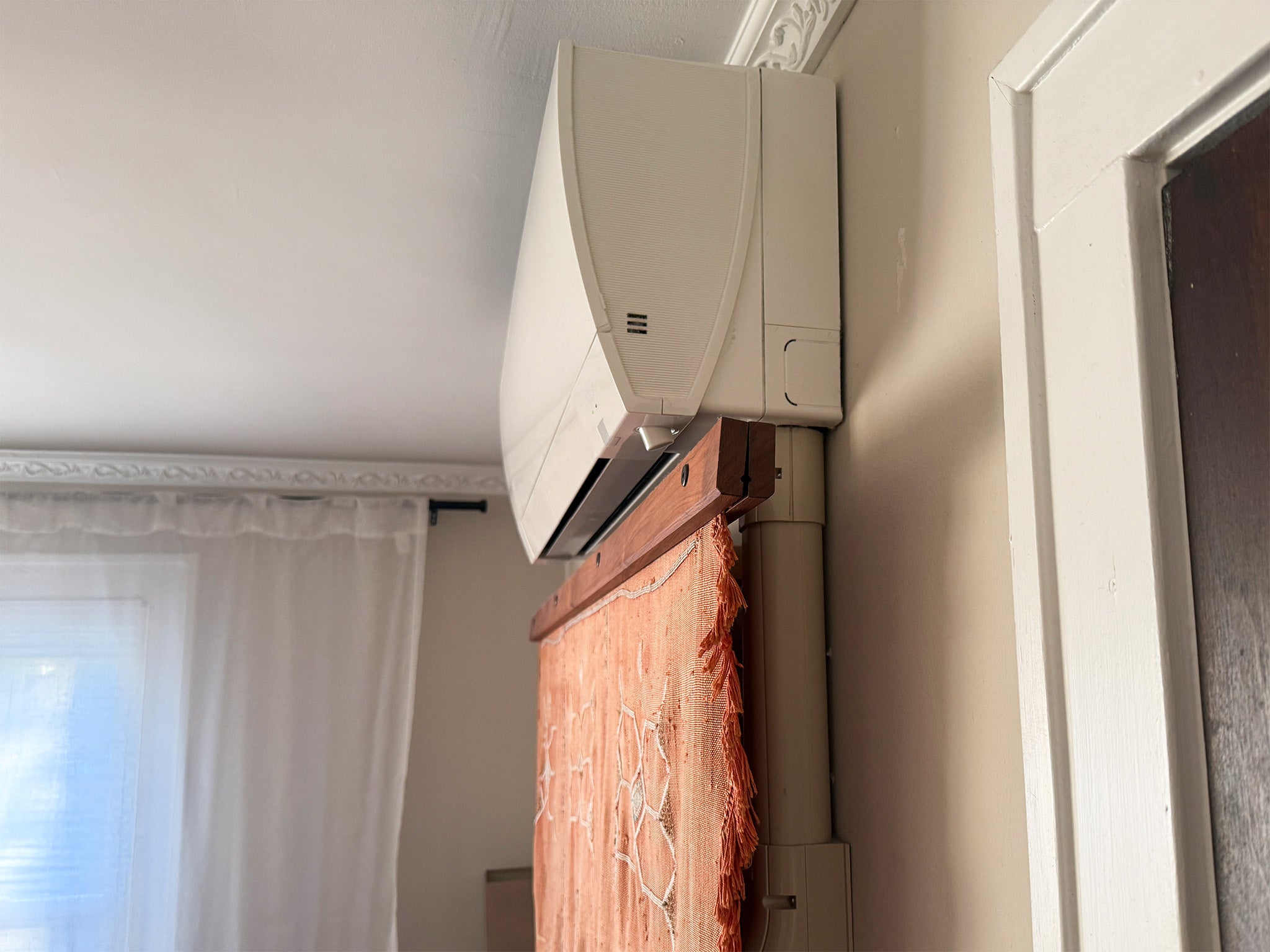
4. Clean the Indoor Unit of Your Air Conditioner
For the indoor part of your Mitsubishi inverter AC, start by wiping the surface with a damp cloth. Once you’ve done that, open the unit’s front panel, which has two air filters hidden behind it. Gently wash the air filters with soapy water after removing them. Using a clean, dry cloth or letting your filter air dry will remove all the moisture from it.
Clean your evaporator coils with water and mild detergent if they have accumulated a lot of gunk. Spray the mixture on your unit’s coils after mixing it in a spray bottle. To loosen the debris, soak it for a few minutes. You can also use coil cleaners without rinsing, which is extremely easy and effective.
Unplug the hose that runs from your indoor to the outdoor unit to flush out your drain line. Before reconnecting the hose, let it air dry for an hour first. Once that’s done, reconnect the inside of the unit.
For Mitsubishi ductless ac units, contact Dr. Ductless Heating & Cooling by visiting the official website or calling us at (213) 916-0005.